
please visit:
PalliativelySpeaking.com

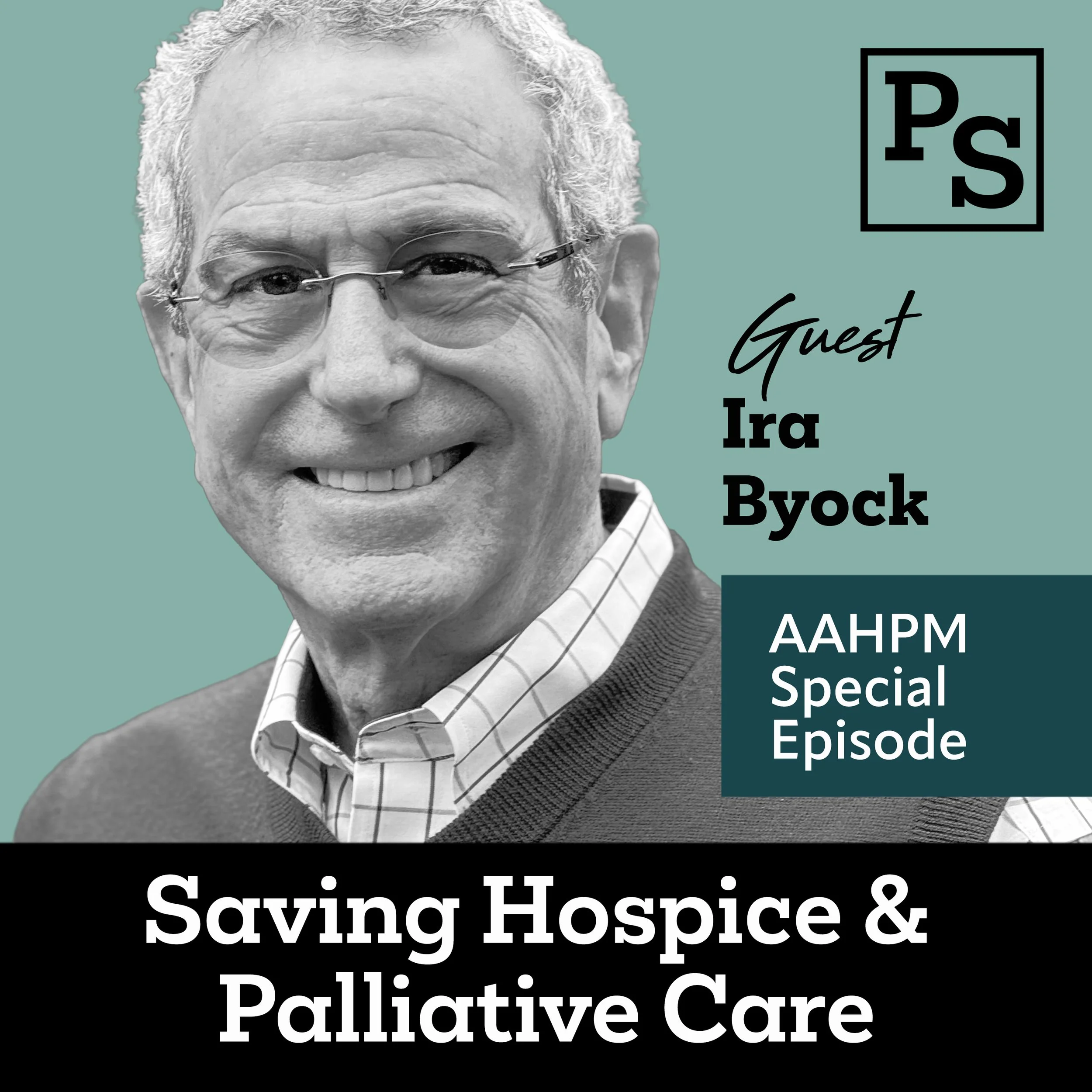
Palliatively Speaking Ep 13 - Saving Hospice
In this special episode, Toby Campbell sits down with palliative care legend Dr. Ira Byock for a candid, far-reaching conversation about the field's origins, its current challenges, and the path forward. Joined by the CEO of the Center to Advance Palliative Care (CAPC), Brynn Bowman, Byock reflects on his early days as a rural family medicine resident drawn to patients "put down the hall" and forgotten—a pull that would lead him to become one of hospice and palliative care's most influential voices.
Forty years later, Byock pulls no punches in assessing the field he helped build. He calls out the "epidemic" of fraudulent hospice programs, the unacceptable variability in quality, and what he sees as palliative care's timidity in advocating for itself. According to Dr. Byock, the solution to these challenges lies in establishing clear clinical and programmatic standards and a willingness to embrace, rather than hide from, healthcare's capitalist reality.
Brynn Bowman offers a generational counterpoint, acknowledging the field's growing pains while finding reasons for optimism: culture change, an undeniable value proposition, and emerging work on quality standards that could finally separate excellent care from the merely mediocre.
This episode is a master class in leadership, honesty, and the courage to speak truth—even to the field you love.
In this special episode, Toby Campbell sits down with palliative care legend Dr. Ira Byock for a candid, far-reaching conversation about the field's origins, its current challenges, and the path forward. Joined by the CEO of the Center to Advance Palliative Care (CAPC), Brynn Bowman, Byock reflects on his early days as a rural family medicine resident drawn to patients "put down the hall" and forgotten—a pull that would lead him to become one of hospice and palliative care's most influential voices.
Forty years later, Byock pulls no punches in assessing the field he helped build. He calls out the "epidemic" of fraudulent hospice programs, the unacceptable variability in quality, and what he sees as palliative care's timidity in advocating for itself. According to Dr. Byock, the solution to these challenges lies in establishing clear clinical and programmatic standards and a willingness to embrace, rather than hide from, healthcare's capitalist reality.
Brynn Bowman offers a generational counterpoint, acknowledging the field's growing pains while finding reasons for optimism: culture change, an undeniable value proposition, and emerging work on quality standards that could finally separate excellent care from the merely mediocre.
This episode is a master class in leadership, honesty, and the courage to speak truth—even to the field you love.
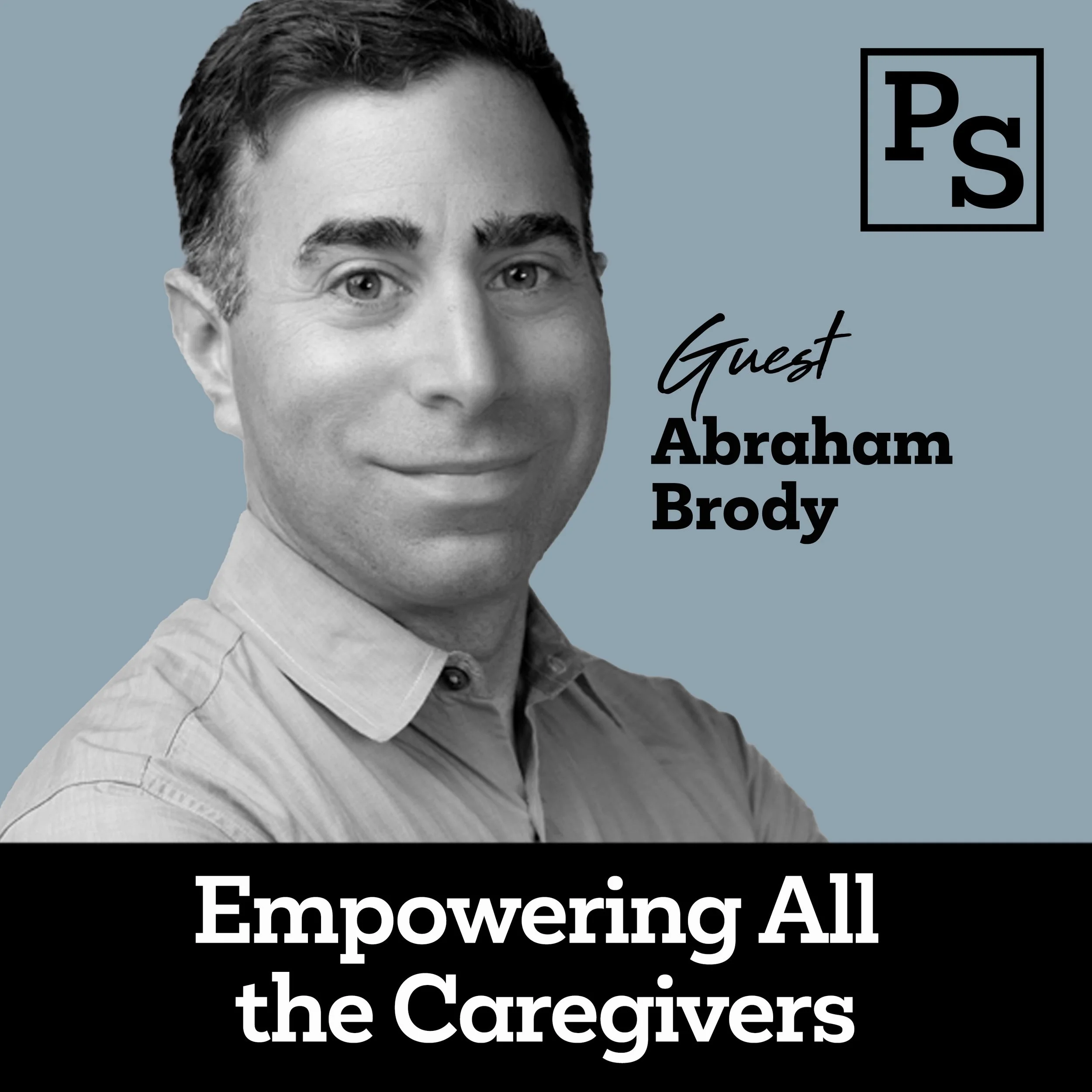
Palliatively Speaking Ep 12 - Empowering All The Caregivers
In this thoughtful and engaging episode, geriatric and palliative care nurse scientist Dr. AB Brody shatters illusions about dementia care with hard-won wisdom. Having witnessed his own grandparents suffer through a system that prioritized medical protocols over human dignity, Brody now leads a quiet revolution in how we support caregivers.
The most important revelation? In the marathon of supporting caregivers, we've been asking the wrong question. Not "What's wrong?" but "What's going right?". This simple flip was honed through years of house calls and hospice work. It uncovers hidden reservoirs of strength in both patients and caregivers.
Through his nonprofit Oliviato Health, Brody bridges the dangerous gap between research and reality, developing tools and resources that reach caregivers where they are and help healthcare systems adopt evidence-based practices that would elevate hospice care. Dr. Brody recounts how hospice teams, when properly supported, can transform from crisis managers to guardians of quality life.
Dr. Brody is joined by the community leader, Elder Denise Lawson. His community engagement work with Elder Denise proves that true change happens not in ivory towers, but in church basements and living rooms where caregivers gather.
We're failing dementia families not from lack of science, but lack of imagination. The solution lies in listening to caregivers' wisdom, to patients' unspoken needs, and to those fleeting moments of connection that make the unbearable bearable. As Brody puts it: "Caregiving isn't a problem to solve. It's a relationship to honor."
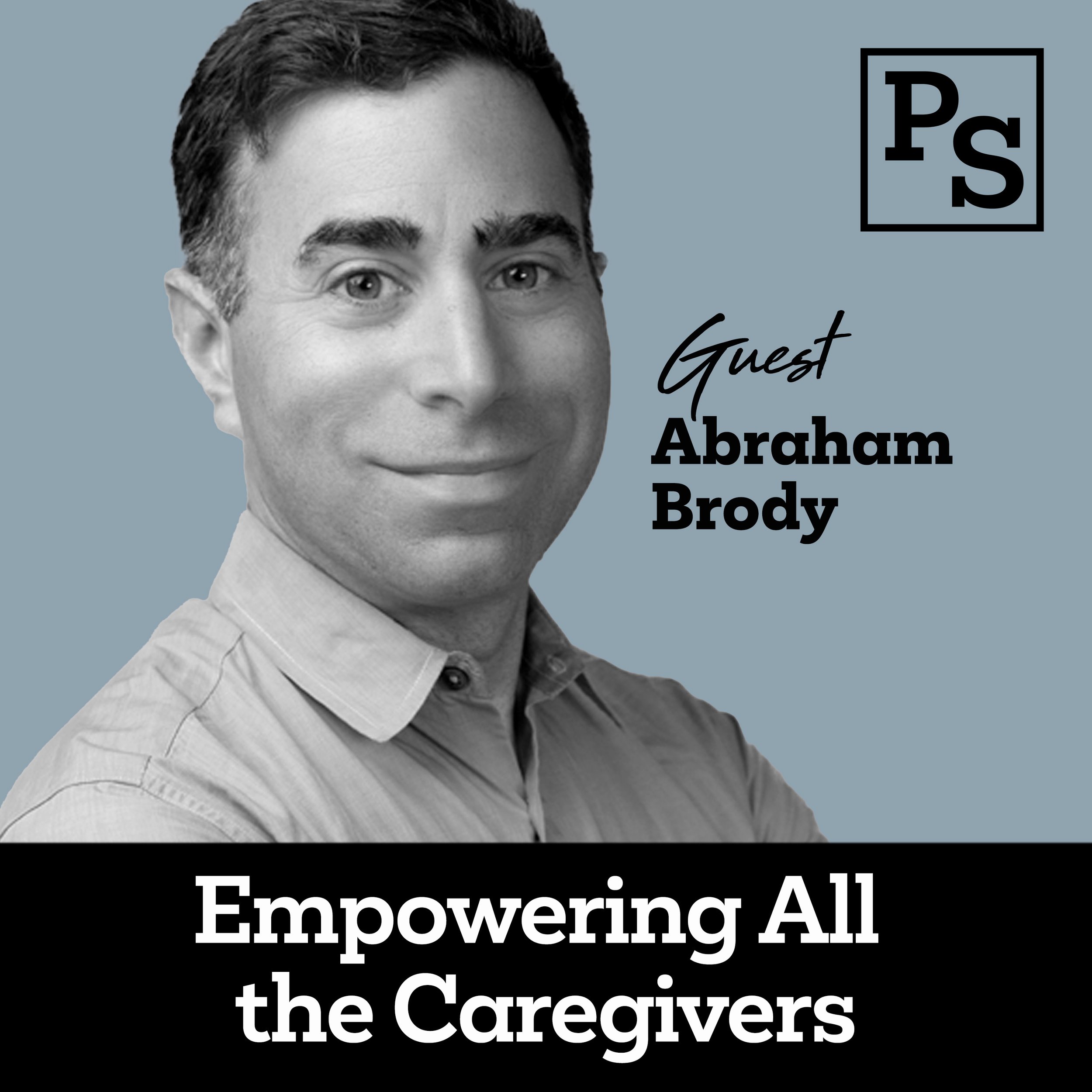
In this thoughtful and engaging episode, geriatric and palliative care nurse scientist Dr. AB Brody shatters illusions about dementia care with hard-won wisdom. Having witnessed his own grandparents suffer through a system that prioritized medical protocols over human dignity, Brody now leads a quiet revolution in how we support caregivers.
The most important revelation? In the marathon of supporting caregivers, we've been asking the wrong question. Not "What's wrong?" but "What's going right?". This simple flip was honed through years of house calls and hospice work. It uncovers hidden reservoirs of strength in both patients and caregivers.
Through his nonprofit Oliviato Health, Brody bridges the dangerous gap between research and reality, developing tools and resources that reach caregivers where they are and help healthcare systems adopt evidence-based practices that would elevate hospice care. Dr. Brody recounts how hospice teams, when properly supported, can transform from crisis managers to guardians of quality life.
Dr. Brody is joined by the community leader, Elder Denise Lawson. His community engagement work with Elder Denise proves that true change happens not in ivory towers, but in church basements and living rooms where caregivers gather.
We're failing dementia families not from lack of science, but lack of imagination. The solution lies in listening to caregivers' wisdom, to patients' unspoken needs, and to those fleeting moments of connection that make the unbearable bearable. As Brody puts it: "Caregiving isn't a problem to solve. It's a relationship to honor."
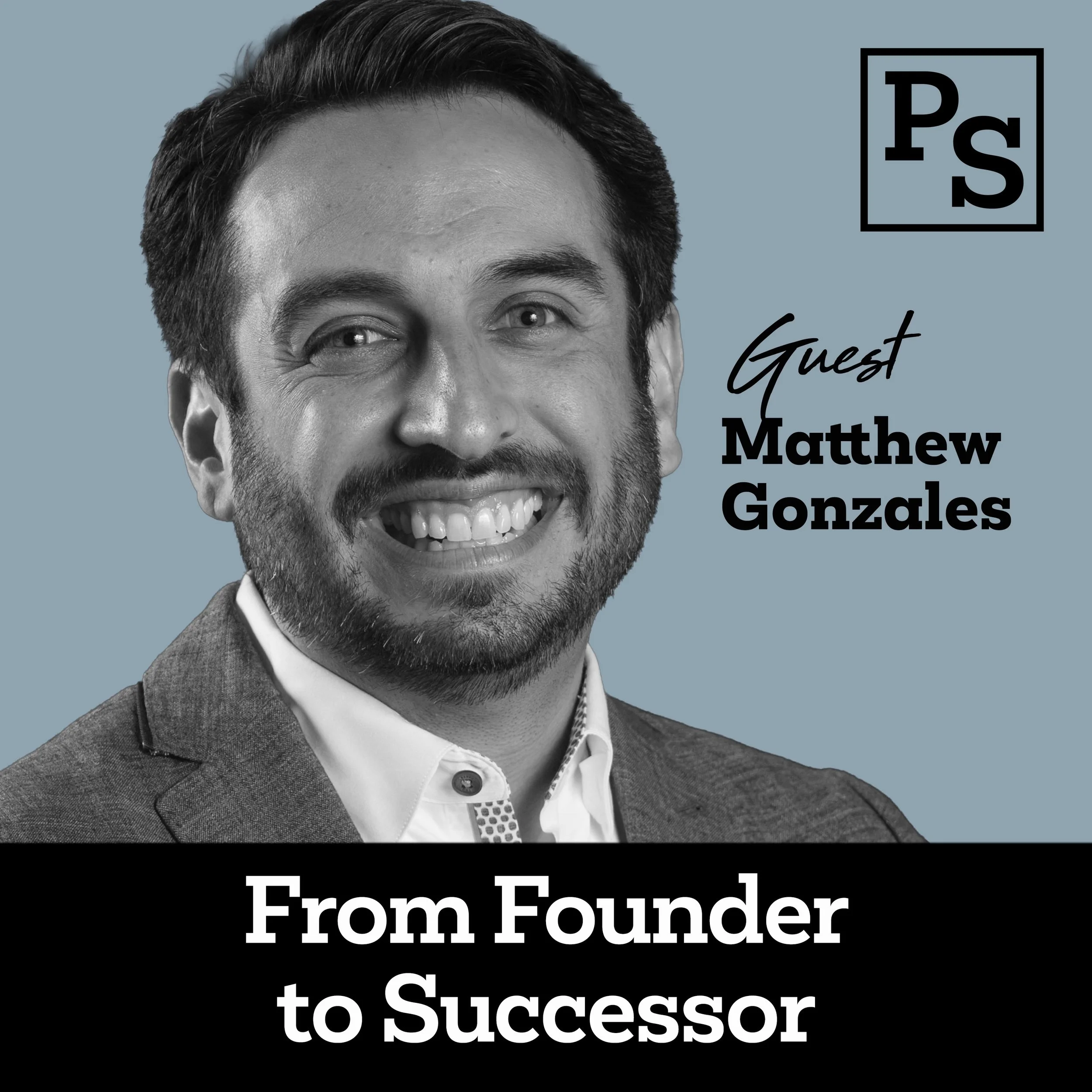
Palliatively Speaking Ep 11 - From Founder to Successor
Title: From Founder to Successor
Summary:
Guest: Matt Gonzales
Guest’s guest: Ira Byock
This episode offers a masterclass in humanizing healthcare. Join host Dr. Campbell for a fascinating conversation with Dr. Matt Gonzalez, a software engineer, a palliative care physician, and a leader overseeing 51 hospitals on the West Coast.
The conversation begins with a discussion on the future of empathetic care and the critical importance of presence. Dr. Gonzales argues that the system must be redesigned to allow clinicians to do what they entered medicine to do: connect. He shares the monumental success of scaling goals-of-care conversations from 7% to 85% across the Providence health system, which is an accomplishment he attributes not to lecturing clinicians, but to dismantling systemic barriers and "making the right way easy."
The discussion shifts to lessons about leadership as Dr. Gonzales is joined by his mentor, Dr. Ira Byock. Together, they unpack the secrets to a successful leadership transition—built on trust, joy, and the courage to lead from a place of love, not fear. Dr. Byock shares the crucial wisdom for a founder to truly let go, allowing the next leader to step into their own authentic skin.
To close, our guests explore a future in which AI handles paperwork, freeing doctors for the sacred work of listening. But Matt issues a crucial caveat: AI can generate the perfect empathetic words, but without genuine human intent and authenticity behind them, they are remain empty words.
This episode is an inspiring look at the leaders who are putting the "care" back into healthcare.
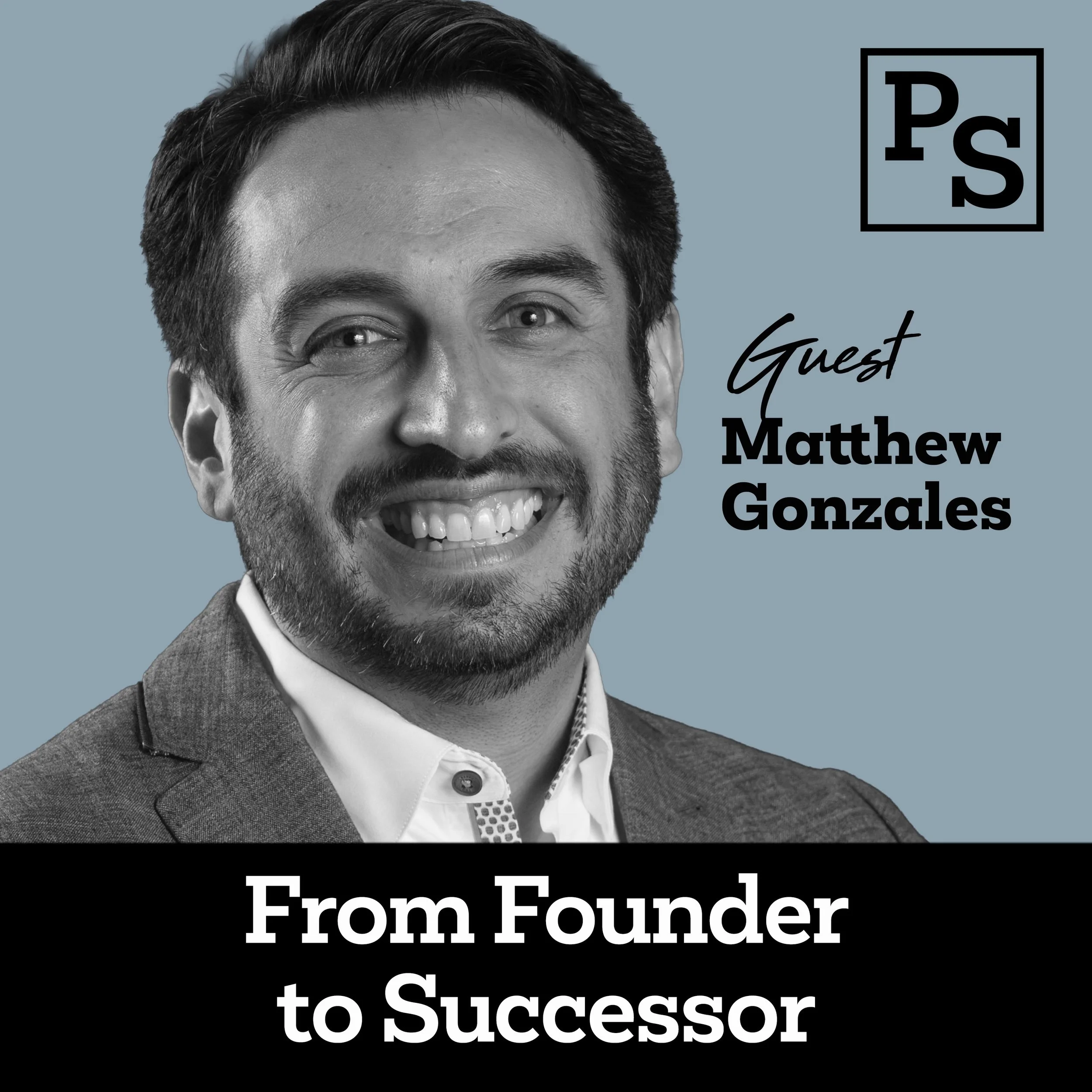
Title: From Founder to Successor
Summary:
Guest: Matt Gonzales
Guest’s guest: Ira Byock
This episode offers a masterclass in humanizing healthcare. Join host Dr. Campbell for a fascinating conversation with Dr. Matt Gonzalez, a software engineer, a palliative care physician, and a leader overseeing 51 hospitals on the West Coast.
The conversation begins with a discussion on the future of empathetic care and the critical importance of presence. Dr. Gonzales argues that the system must be redesigned to allow clinicians to do what they entered medicine to do: connect. He shares the monumental success of scaling goals-of-care conversations from 7% to 85% across the Providence health system, which is an accomplishment he attributes not to lecturing clinicians, but to dismantling systemic barriers and "making the right way easy."
The discussion shifts to lessons about leadership as Dr. Gonzales is joined by his mentor, Dr. Ira Byock. Together, they unpack the secrets to a successful leadership transition—built on trust, joy, and the courage to lead from a place of love, not fear. Dr. Byock shares the crucial wisdom for a founder to truly let go, allowing the next leader to step into their own authentic skin.
To close, our guests explore a future in which AI handles paperwork, freeing doctors for the sacred work of listening. But Matt issues a crucial caveat: AI can generate the perfect empathetic words, but without genuine human intent and authenticity behind them, they are remain empty words.
This episode is an inspiring look at the leaders who are putting the "care" back into healthcare.

Palliatively Speaking Ep 9 - Cardinale Smith
Guest: Cardinale Smith
Guest’s guest: Melissa Mazor
In a compelling episode, Dr. Cardi Smith, Chief Medical Officer at Memorial Sloan Kettering and a leader in oncology and palliative care, shared her journey, from her mother’s unfulfilled dream of becoming a physician to her own rise in medicine. Driven by a legacy of resilience, she emphasized leadership as a tool for systemic change, not personal power.
As one of few palliative care physicians in executive roles, she highlighted the "minority tax", which is the burden of representing marginalized identities in leadership. Yet, her palliative care skills, like empathy and communication, helped her navigate these challenges. Dr. Smith’s leadership philosophy is rooted in servant leadership which includes elevating others, creating opportunities, and measuring success by collective progress rather than individual accolades.
After being joined by mentee Dr. Melissa Mazur, the discussion shifted to the urgent need to move beyond pilot programs in health equity, advocating for sustainable solutions like patient navigation, which has proven effective for decades but remains underfunded. To achieve this, there is an urgent need for implementation science and measurable community engagement.
In closing, the guests emphasized that equity work cannot rely on temporary grants or goodwill. It requires embedding anti-racist practices into healthcare’s infrastructure, a challenge that demands courage from leaders and institutions alike.
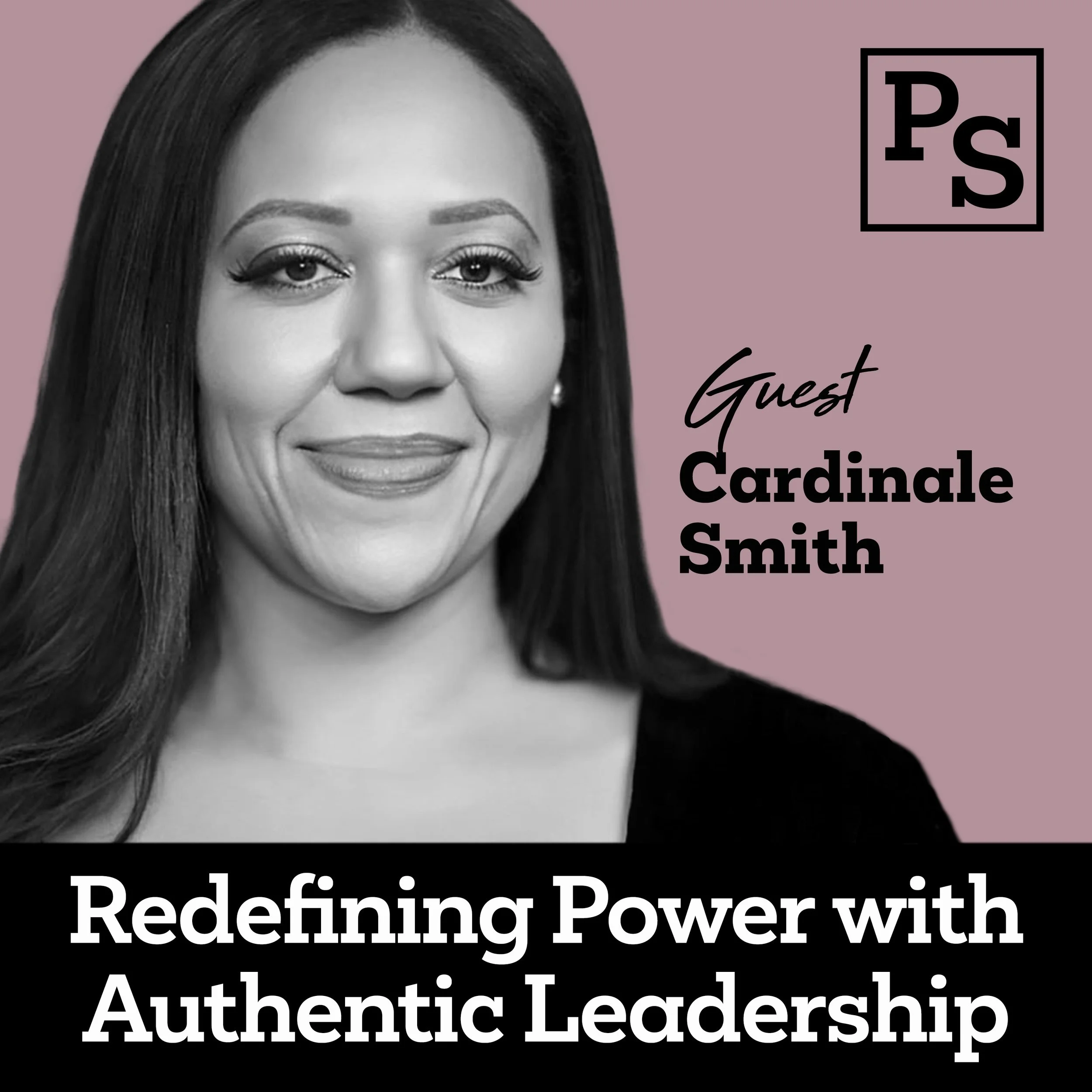
Guest: Cardinale Smith
Guest’s guest: Melissa Mazor
In a compelling episode, Dr. Cardi Smith, Chief Medical Officer at Memorial Sloan Kettering and a leader in oncology and palliative care, shared her journey, from her mother’s unfulfilled dream of becoming a physician to her own rise in medicine. Driven by a legacy of resilience, she emphasized leadership as a tool for systemic change, not personal power.
As one of few palliative care physicians in executive roles, she highlighted the "minority tax", which is the burden of representing marginalized identities in leadership. Yet, her palliative care skills, like empathy and communication, helped her navigate these challenges. Dr. Smith’s leadership philosophy is rooted in servant leadership which includes elevating others, creating opportunities, and measuring success by collective progress rather than individual accolades.
After being joined by mentee Dr. Melissa Mazur, the discussion shifted to the urgent need to move beyond pilot programs in health equity, advocating for sustainable solutions like patient navigation, which has proven effective for decades but remains underfunded. To achieve this, there is an urgent need for implementation science and measurable community engagement.
In closing, the guests emphasized that equity work cannot rely on temporary grants or goodwill. It requires embedding anti-racist practices into healthcare’s infrastructure, a challenge that demands courage from leaders and institutions alike.